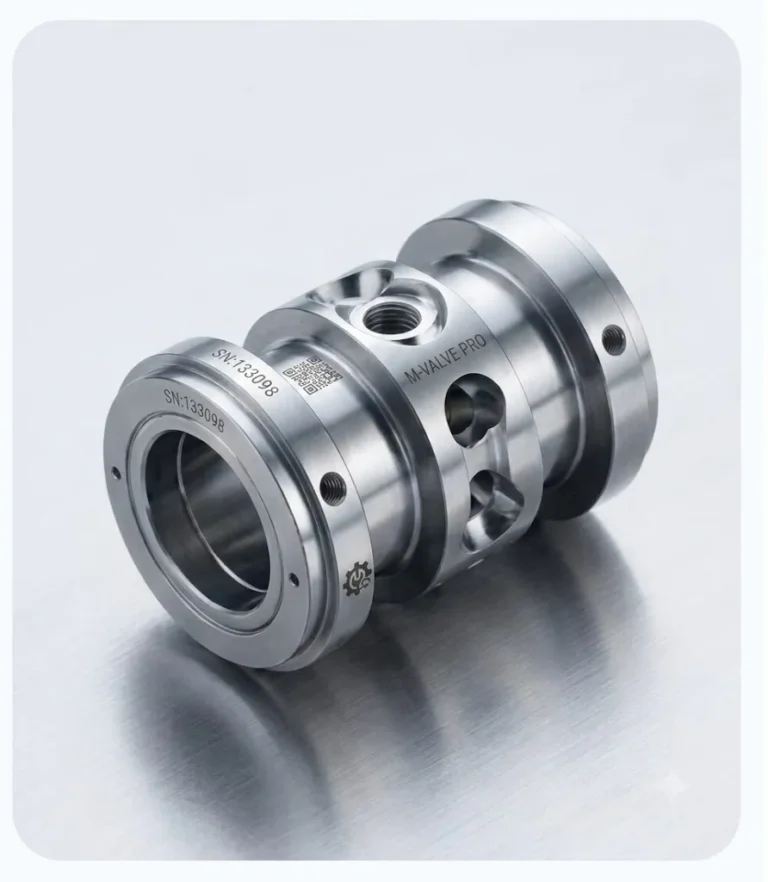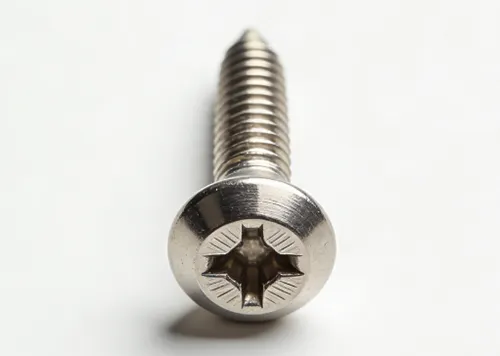
Aluminum alloys are metallic compounds created by adding elements such as silicon, iron, copper, and magnesium to pure aluminum. These additions grant the alloy low density, high strength, and excellent corrosion resistance. Due to their lightweight yet durable nature, aluminum alloys are widely utilized in precision manufacturing—from automotive wheels to aerospace components.
Aluminum Alloy Parts are essential in various applications due to their unique properties. Understanding the significance of Aluminum Alloy Parts can enhance your manufacturing processes.
Aluminum Alloy Parts are essential in various industries due to their unique properties.
Below is an overview of the five most common processes used to manufacture aluminum alloy parts.
Understanding Aluminum Alloy Parts
Understanding the importance of Aluminum Alloy Parts can enhance their application in manufacturing.
1. Mechanical Machining (CNC Machining)
Commonly referred to as CNC machining, this includes automatic lathe and CNC lathe operations.
- General Machining: Utilizing universal machines for turning, milling, planing, drilling, and grinding to create mold components, followed by manual benchwork for final fitting and assembly.
- Precision Machining: For parts requiring high dimensional accuracy that standard equipment cannot achieve, specialized precision machinery is employed.
- Automated CNC Processing: To streamline the production of complex shapes (such as punches, dies, and cavities) and reduce manual labor, CNC equipment—including 3-axis milling machines, machining centers, and CNC grinders—is used.
2. Stamping (Metal Pressing)
Stamping applies external force to sheets, strips, tubes, or profiles using a press and a die to induce plastic deformation or separation.
Utilizing Aluminum Alloy Parts in your designs can improve performance and reduce weight.
- The Principle: This technique uses the power of conventional or specialized stamping equipment to deform the material directly within a mold, achieving a specific shape, size, and performance profile.
- The Three Elements: The success of the process relies on the sheet metal, the die (mold), and the equipment.
- Cold Stamping: Since it is typically performed at room temperature, it is often called “Cold Stamping” or “Sheet Metal Stamping.” It remains one of the primary methods for metal plastic processing.
Aluminum Alloy Parts are often subjected to stamping processes to achieve desired shapes.
3. Investment & Precision Casting
Precision casting belongs to the category of “special casting.” Parts produced this way often require little to no additional machining.
- The Process: Unlike traditional casting, this method provides high dimensional accuracy. The typical workflow involves:
- Creating a mold based on product requirements.
- Injecting wax to create a wax pattern.
- Coating the pattern with refractory material and sand to create a hard shell.
- Melting out the wax (Dewaxing) to leave a hollow cavity.
- Roasting the shell for strength and pouring in molten aluminum.
- Removing the shell and cleaning the sand to reveal a high-precision finished part.
Choosing the right Aluminum Alloy Parts is crucial for achieving desired outcomes in manufacturing.
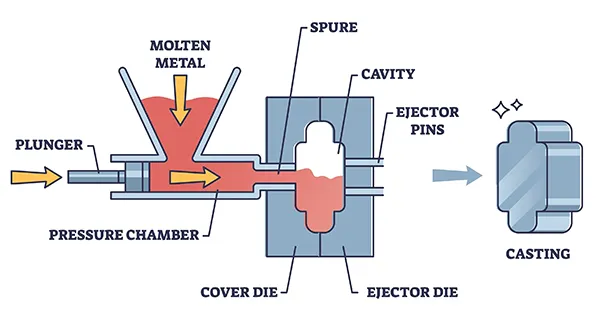
4. Powder Metallurgy (PM)
Powder metallurgy is a technology that uses metal powders (sometimes mixed with non-metallic powders) as raw materials to create materials or products through blending, forming, and sintering.
The casting of Aluminum Alloy Parts requires precision to ensure quality.
- Powder Production: The manufacturing of the base metal or alloy powders.
- Product Fabrication: The powders are mixed, compacted into a shape, and then heated (sintered) in a controlled atmosphere to bond the particles. This results in a “Powder Metallurgy Product” with unique material properties.
5. Metal Injection Molding (MIM)
MIM involves mixing solid metal powder with an organic binder to create a feedstock.
- The Workflow: The feedstock is granulated and injected into a mold cavity using an injection molding machine under heat (~150°C). Once the “green part” is formed, the binder is removed via chemical or thermal decomposition. Finally, the part is sintered and densified to its final state.
- Advantages: Compared to traditional methods, MIM offers higher precision, uniform microstructure, and superior performance at a lower cost for mass production. It is widely used in medical devices, electronics, automotive, and aerospace industries.
Other Specialized Processes
Beyond these five methods, aluminum alloys can also be processed via:
With advancements in technology, the production of Aluminum Alloy Parts has become more efficient and cost-effective.
- Specialized Machining: Laser cutting, EDM (Electrical Discharge Machining), Ultrasonic machining, and Electrochemical machining.
- Surface Treatment: Once formed, parts often undergo secondary treatments such as Anodizing, Electroplating, or Etching to enhance aesthetics and durability.
How to Choose the Right Process
Aluminum Alloy Parts produced via Powder Metallurgy have unique advantages.
- For Prototyping: CNC Machining is usually the best choice because it requires no expensive molds or dies, allowing for quick design changes.
- For High-Volume Thin Parts: If you are making thousands of brackets or housings, Stamping offers the lowest cost per unit.
- For Complex Internal Geometries: Precision Casting or Metal Injection Molding (MIM) can create shapes that are physically impossible to reach with a drill bit or milling cutter.
- For Medical or Aerospace: These industries often require the extreme tolerances and material consistency found in CNC Machining or MIM.
Metal Injection Molding is an efficient method for creating Aluminum Alloy Parts.
Surface treatments enhance the performance of Aluminum Alloy Parts significantly.
Choosing the right process for Aluminum Alloy Parts can improve manufacturing efficiency.
For industries such as aerospace, Aluminum Alloy Parts play a vital role in ensuring safety and performance.
Aerospace Parts Aluminum Alloy Machining CNC machining Hearing aid parts Inconel Laryngoscope LFP Batteries Medical parts processing Medical Screw Machining pacemaker Rolling Bearing Semiconductor components Shaft Core slip ring Stainless Steel Titanium